.png)
How Has Artificial Turf Changed In The Past Decade?

Artificial turf has transformed significantly over the past ten years, evolving from a basic synthetic grass alternative to a sophisticated, high-performance surface used in homes, businesses, and sports facilities. This change matters because more people and organizations seek durable, low-maintenance, and eco-friendly landscaping solutions. With rising water costs, environmental concerns, and the demand for year-round green spaces, artificial turf offers a practical answer to these challenges.
This blog explores how artificial turf technology and applications have advanced, why these changes matter, and how homeowners and businesses can benefit from the latest innovations. It also provides a detailed guide on selecting, installing, and maintaining modern artificial turf to maximize its value and lifespan.
Why The Evolution Of Artificial Turf Matters
Environmental and Social Impact
Artificial turf has shifted from being a purely functional product to one that addresses environmental concerns. Traditional lawns require significant water, fertilizers, and pesticides, which contribute to water waste and chemical runoff. Modern artificial turf reduces water consumption drastically, helping communities conserve this precious resource. Additionally, it eliminates the need for harmful chemicals, promoting healthier outdoor environments.
Socially, artificial turf creates safe, accessible spaces for recreation and relaxation. Schools, parks, and sports complexes benefit from durable surfaces that withstand heavy use without turning muddy or patchy. This means more consistent playtime and fewer injuries caused by uneven ground.
Economic and Practical Benefits
The cost of maintaining natural grass has increased due to water restrictions, labor, and upkeep. Artificial turf offers a cost-effective alternative by reducing maintenance expenses such as mowing, watering, and fertilizing. Over time, these savings can be substantial for both homeowners and businesses.
Practically, artificial turf provides a green, clean look all year, regardless of weather conditions. It resists wear and tear, making it ideal for high-traffic areas. Advances in materials and installation techniques have also improved drainage and durability, extending the turf’s lifespan and reducing replacement frequency.
Community and Consumer Benefits
For communities, artificial turf enhances public spaces by providing attractive, usable areas that require less upkeep. This can increase property values and encourage outdoor activities, improving quality of life.
Consumers enjoy the convenience of a lush lawn without the hassle of constant care. Modern artificial turf feels more natural and comfortable underfoot, making it suitable for pets and children. It also offers allergen-free outdoor spaces, which benefits those sensitive to pollen or grass.

Step-By-Step Guide To Choosing And Installing Artificial Turf Today
1. Assess Your Needs and Goals
Start by identifying the primary purpose of the artificial turf. Is it for a home lawn, a commercial landscape, a sports field, or a playground? Consider factors such as:
Foot traffic volume
Exposure to sunlight and shade
Desired appearance and texture
Budget constraints
Environmental conditions like rainfall and temperature
Knowing your goals helps narrow down the turf types and features that best suit your situation.
2. Understand The Types Of Artificial Turf
Artificial turf has diversified into several types tailored for different uses:
Residential Turf: Softer fibers, natural look, and pet-friendly options.
Sports Turf: Designed for durability, shock absorption, and traction.
Commercial Turf: Focus on aesthetics and low maintenance for public spaces.
Specialty Turf: Includes putting greens, playground surfaces, and rooftop gardens.
Each type varies in fiber length, density, backing materials, and infill options.
3. Choose The Right Materials And Features
Modern artificial turf uses advanced polyethylene or nylon fibers that mimic natural grass blades. Look for features such as:
UV resistance: Prevents fading and degradation from sun exposure.
Drainage systems: Perforated backing or layered bases to avoid water pooling.
Infill materials: Options include rubber, sand, or organic infills to provide cushioning and stability.
Anti-microbial treatments: Reduce odors and bacteria, especially important for pet owners.
4. Prepare The Installation Site
Proper site preparation is crucial for turf longevity:
Remove existing grass, roots, and debris.
Level the ground and ensure proper grading for drainage.
Install a compacted base layer of crushed stone or gravel.
Add a weed barrier to prevent unwanted growth beneath the turf.
5. Install The Artificial Turf
Professional installation is recommended for best results. The process includes:
Rolling out the turf and cutting it to fit the area.
Securing seams with adhesive or stitching.
Applying infill evenly to support fibers and improve feel.
Brushing the turf to lift fibers and create a natural appearance.
6. Optimize Maintenance Practices
While artificial turf requires less upkeep than natural grass, some maintenance is necessary:
Regularly remove debris like leaves and dirt.
Rinse the surface to prevent dust buildup.
Brush the turf periodically to maintain fiber uprightness.
Check and replenish infill as needed.
Address pet waste promptly to avoid odors.
7. Balance Priorities For Best Results
Balancing aesthetics, durability, and budget is key. For example, a homeowner may prioritize softness and appearance, while a sports facility focuses on performance and safety. Understanding these priorities helps select the right turf and installation method.
8. Use Local Resources And Expertise
Consult local suppliers and installers familiar with regional climate and soil conditions. They can recommend turf products that perform well in your area and provide warranties suited to local use.
9. Plan For Long-Term Improvements
Artificial turf technology continues to improve. Stay informed about new products and maintenance techniques that can extend turf life and enhance appearance. Consider periodic inspections to catch issues early.
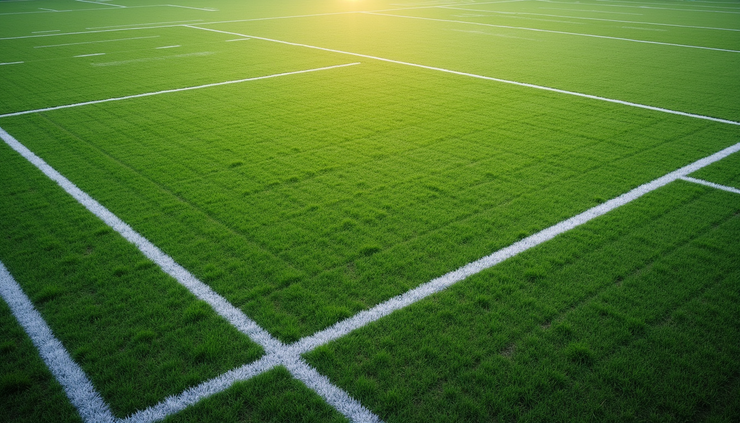
Benefits Of Modern Artificial Turf
Modern artificial turf offers several clear advantages:
Consistent Appearance: Maintains a vibrant green look year-round without brown patches or weeds.
Water Savings: Reduces outdoor water use by up to 70-90%, which is critical in drought-prone areas.
Lower Maintenance Costs: Eliminates mowing, fertilizing, and pesticide expenses.
Durability: Withstands heavy foot traffic and harsh weather without significant wear.
Safety: Provides a cushioned surface that reduces injury risk in sports and play areas.
Environmental Gains: Reduces chemical runoff and carbon emissions associated with lawn equipment.
Pet-Friendly: Designed to resist odors and withstand pet activity.
Versatility: Suitable for rooftops, balconies, playgrounds, and indoor spaces where natural grass cannot grow.
These benefits make artificial turf a smart investment for homeowners and businesses looking for a practical, attractive, and sustainable landscaping solution.
Final Thoughts And Next Steps
Artificial turf has come a long way in the past decade, becoming more natural-looking, durable, and environmentally friendly. Its ability to save water, reduce maintenance, and provide year-round green spaces makes it an appealing choice for many property owners.
For those considering artificial turf, the key is to assess your specific needs, choose the right product, and work with experienced professionals to ensure proper installation and care. This approach maximizes the turf’s lifespan and benefits.
Explore options from trusted suppliers like Turf-Tex to find the best artificial turf solutions tailored to your property. Taking the first step toward upgrading your outdoor space can lead to long-term savings, enhanced curb appeal, and a more enjoyable environment.
Key takeaways:
Artificial turf technology has improved in appearance, durability, and environmental impact.
Proper selection and installation are essential for optimal performance.
Maintenance is simpler but still necessary to keep turf looking its best.
Artificial turf offers significant water savings and cost reductions.
It enhances safety and usability for homes, businesses, and sports facilities.
Ready to transform your outdoor space? Contact Turf-Tex experts today to discuss your artificial turf options and get a personalized quote.


Comments